
Your Facebook group feels like a ghost town, no matter how often you post
Running a Facebook group that feels one-sided drains energy fast. I see this a lot. You post every day, ask engagement questions, and follow the latest algorithm tips. Interaction stays low. Sales stay lower.
Unfortunately, chasing likes does not fix that. Organic reach hovers around 2.2% for most groups, and posting more rarely changes it. When that reality sinks in, a strategy reset makes sense.
In this article, I explain why a Facebook group works better as a media channel than a noticeboard. I break down how to stop posting at random and start programming content people actually want to show up for. Live video plays a big role in that shift, especially when it runs on a clear schedule.
Key Takeaways
- Stop posting for algorithms and start programming for humans. I focus on signature formats that build trust instead of chasing vanity metrics.
- Anchor your strategy with a weekly live show that runs like appointment viewing. Same day. Same time. Every week. Rhythm beats novelty.
- Live video gets around three times more viewing time than recorded content. It works even when people stay quiet. It builds trust with active members and lurkers alike.
- Use simple tools like Restream or StreamYard to add polish without technical headaches. Multistreaming can extend your reach without extra effort.
- Build your entire content strategy around your weekly show. I treat it as the source for repurposed content and straightforward sales conversations.
The strongest Facebook groups do not rely on complicated tactics. They rely on consistent, useful programming that links real problems to practical solutions. Keep reading to turn your group from a quiet posting space into a community that supports your business.
Stop Posting for the Algorithm and Start Programming for Real People
Let’s be honest about Facebook groups in 2026. Most business owners are stuck on a hamster wheel, posting bland “engagement” questions, chasing comments and reactions, and getting very little back in real terms. I see it all the time—the same stale prompts, the same obvious polls. A few likes, if you’re lucky. Zero real connection.
In practice, organic reach sits at about 2.2%. That’s grim. And it means hoping the algorithm will rescue your posts is a waste of time. Most of your members are lurking, scrolling, and ignoring anything that doesn’t grab them or help them with a real problem.
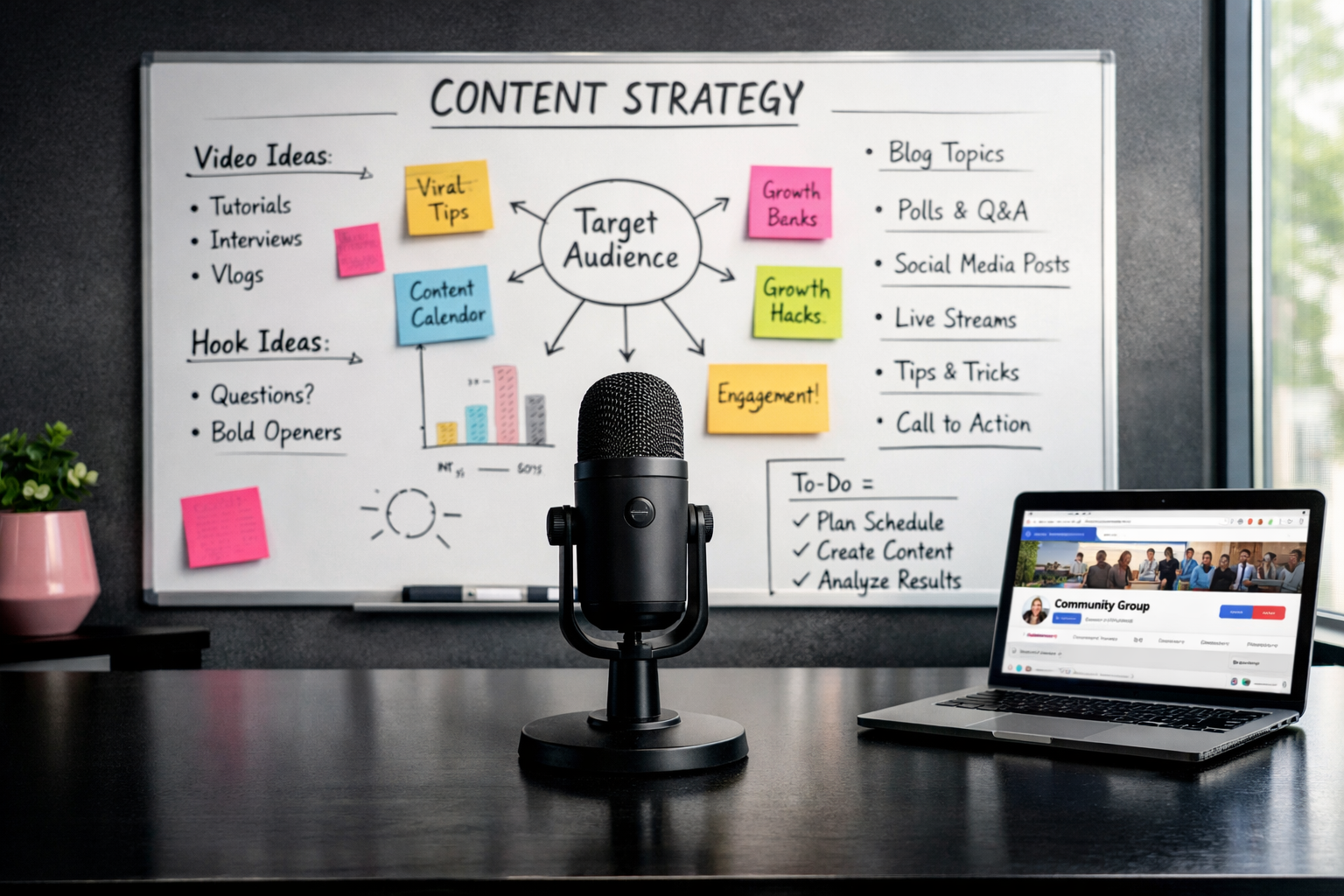
Think Like a Media Producer, Not a Bulletin Board Manager
Things change when you stop treating your Facebook group like a dumping ground and start treating it like your own media channel. This isn’t chaotic—it’s run properly, with intent and a rhythm people can rely on.
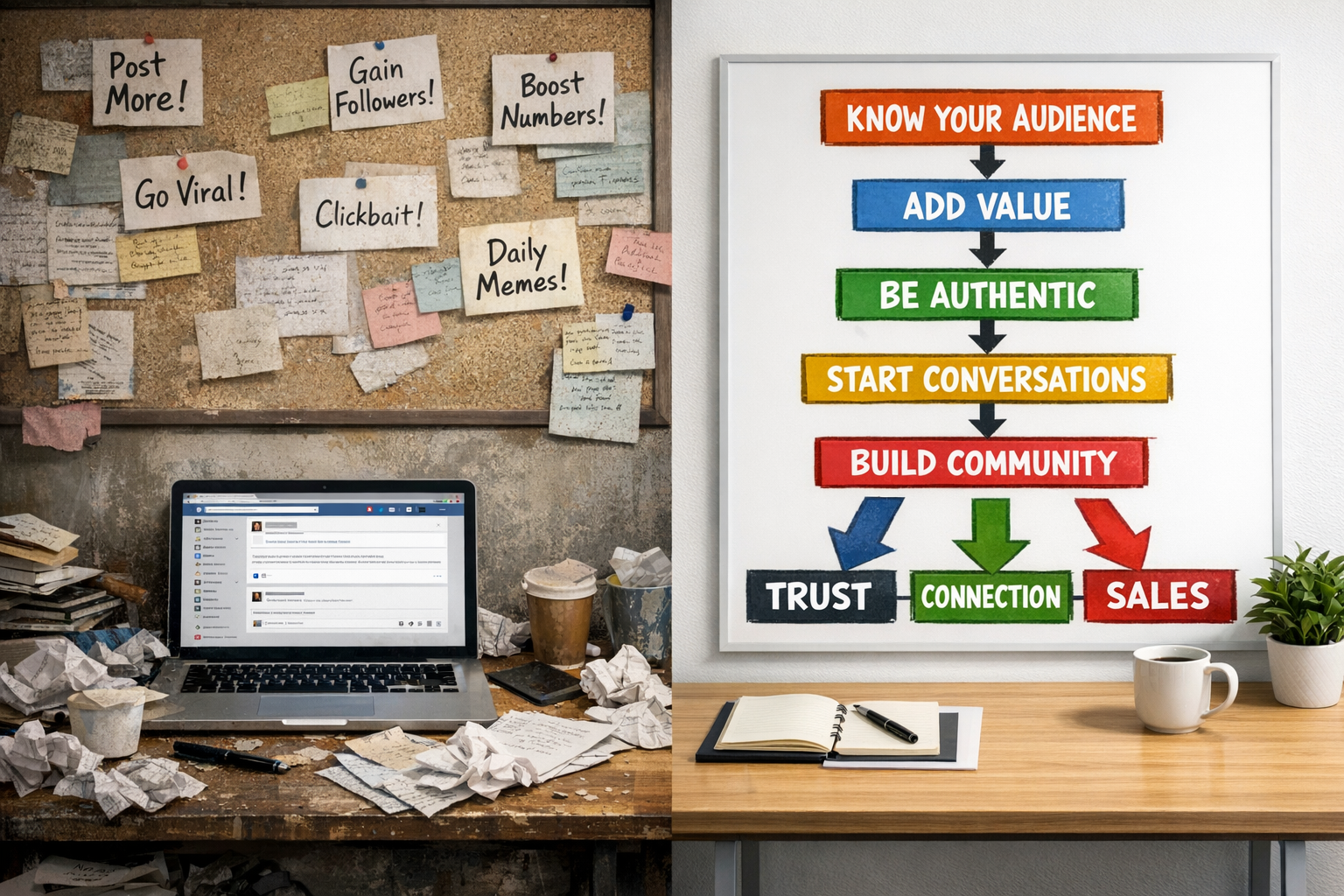
This isn’t about posting more; it’s about posting on purpose. No more random acts of content. Create a few signature formats that show up consistently and earn attention over time. Your members should know what’s coming and when it’s worth logging in.
The best Facebook group content doesn’t chase vanity numbers; it builds trust. And trust leads to sales. There’s a massive difference between a post that gets 20 emoji reactions and one that gets five thoughtful replies from people who actually want your help.
When you’re planning what to post in your Facebook group to drive sales, focus on programming elements that genuinely work:
- A weekly deep dive into one specific problem your audience is dealing with
- Live Q&A sessions where you answer real questions, on the spot
- Behind-the-scenes content that shows how you think and work
- Client spotlights that show real outcomes, with permission
- Clear promotional posts that explain your offer properly, without tiptoeing around it
As a result, this approach makes content decisions easier. You stop second-guessing the algorithm and start serving the humans already in the room. The Facebook group strategies that actually work aren’t clever hacks; they’re reliable and relevant.
For coaches and service providers in particular, this shift changes how selling feels inside your group. When people regularly see how you think and how you help, your offers don’t feel awkward or pushy—they make sense.
Rethink what engagement really means
So ask yourself what “engagement” really means for you. Is it reactions you can’t use, or conversations that lead to paid work? Your Facebook group doesn’t need more noise. It needs better programming, built for real people.
Anchor Your Strategy with an Unmissable Weekly Show
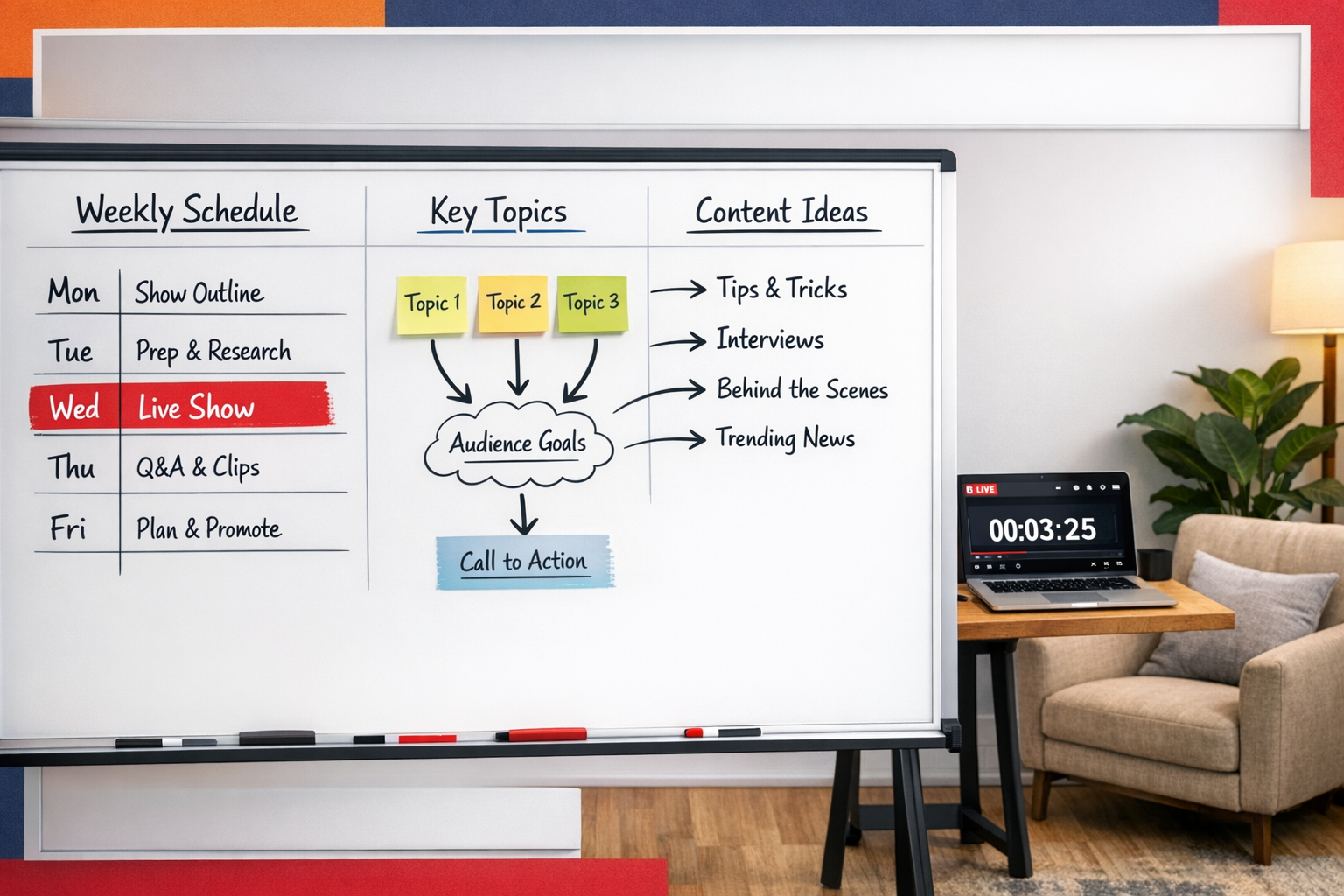
The most effective Facebook group strategy I see, again and again, is not clever posting plans or fancy funnels. It is a solid weekly show people actually want to turn up for. Same time. Same day. Every week. It tackles problems your audience is dealing with right now.
This is not hitting “go live” whenever the mood takes you. It is appointment viewing. Like a TV show people plan around. When members know exactly when you will show up and deliver something useful, they are far more likely to be there, join in, and eventually buy. This is also where choosing a setup that doesn’t turn into a technical headache matters—weekly only works if it’s easy to repeat. Using something like Restream keeps the focus on showing up, not fiddling with settings.
Why a Weekly Show Transforms Engagement
A weekly show builds familiarity and trust. When people see you show up consistently and do what you said you would do, they relax. They pay attention. Your group gets a rhythm, instead of the stop-start chaos that comes from random posting. Engagement goes up because members know what to expect and when.
It works because it is simple. No fancy kit. No complicated planning. Just a repeatable format that solves real problems. The structure makes it easier for them to watch and easier for you to deliver.
Here’s what makes a weekly show work well:
- A clear, benefit-led name (like “Wednesday Website Wins” or “Monday Mindset Reset”)
- A consistent structure people can follow (welcome, main teaching point, Q&A, next steps)
- One specific problem per session that links back to your wider expertise
- Built-in prompts that invite comments and participation
- A natural link to your paid work without shoving it down people’s throats
From Engagement to Sales: The Natural Progression
This is where a weekly show really earns its keep. When you help people solve smaller problems for free, on a regular basis, they start to wonder what it would be like to work with you properly.
Your show becomes the obvious place to talk about your offers, in context, not as random sales posts. If you are teaching email marketing basics, mentioning your paid email course feels useful, not awkward.
Using Facebook Events gives people reminders. A quick email about each upcoming session helps connect your platforms. Each show should stand on its own, while still pointing towards your wider offers.
Pick your weekly slot now, ideally when your best-fit clients are free. Name the show so it clearly signals the result they will get. Announce it in your group. Then show up, every week, for at least eight weeks before you judge how it is working.
Why Live Video Works (Especially for “Lurker”-Heavy Groups)
Let’s be straight about it. Live video is the underused lever in most Facebook groups. If your group feels quiet or stuck, this is usually what’s missing.
Live video gets far more engagement than static posts or pre-recorded content. Not a small bump. A big one. It changes how a group feels and how people show up.
People spend around three times longer watching live videos than recorded ones. That’s not magic. It’s because live feels like a real person, in real time. No edits. No polish. Just presence.
The Simplicity Factor
You don’t need fancy kit or slick production. A basic live Q&A, a 20-minute mini session, or weekly office hours does the job. It builds trust and visibility fast. Static posts can’t compete with that.
Here’s the bit people forget. Live video works even when no one comments. The lurkers are still watching. They’re listening. Seeing you think, explain, and solve problems in real time builds real credibility. The kind that gets talked about later.
If you’re a coach or consultant, this is already your skill set. You explain things live for a living. Live video just lets more people see it at once.
So why does live video work especially well inside Facebook groups?
- It triggers notifications that bring people back into the group
- The live, unscripted feel creates a bit of FOMO
- You get instant feedback in the comments and can adjust on the spot
- It shows you as a real human, not a polished brand
- Facebook is less likely to bury it than a normal post
I’ve seen plenty of so-called “dead” groups wake up within weeks once live video becomes consistent. The Facebook group strategy that works isn’t about being impressive. It’s about being there.
If you’re thinking about what to post in a Facebook group that actually leads to sales, live video is the bridge. You’re helping, teaching, and building trust at the same time. That’s where sales come from.
Next step. Design your minimum viable live format. One simple, repeatable idea you could run next week that clearly shows what you know. Keep it tight. Keep it useful. And start before you feel ready.

Production Value Without the Overhead: Tools That Multiply Your Impact
Let’s be honest about Facebook groups. First impressions count. When people land in your group and see content that looks put-together, they’re more likely to pay attention. And yes, over time, that trust can turn into sales. The good bit? You don’t need to become a video wizard or hire a media team to get there.
Streamlined Tools for Professional Results
Think about your last live. Did it feel a bit… basic? A simple branded overlay with your name and topic changes the whole feel. Not because it’s flashy, but because it signals you know what you’re doing. Tools like Restream and StreamYard let you add those touches in minutes, not hours.
These platforms sort a few things at once:
- They add branded bits like logos, name banners, and colours
- They show viewer comments on screen, which boosts interaction
- They let you go live in your Facebook group and on YouTube, LinkedIn, or elsewhere at the same time
- They make screen sharing easy for demos or slides
Multiplying Your Reach Without Multiplying Your Work
Multistreaming is one of the simplest upgrades you can make to your Facebook group setup. Instead of making different content for every platform, you run one live and let it do the rounds. Same effort. Wider reach. New people find you, and your group still gets served. This is exactly where Restream earns its place—it turns one planned weekly show into something that works harder without asking more of you.
I’ve seen how useful this is for coaches and consultants who need to show their expertise but don’t want content to eat their entire day. One live can spark conversation in your group, then live on as a YouTube video or podcast with very little extra work.
Good tech should calm things down, not make them messier. StreamYard is easier if you’re just getting started. Restream gives you more options once you’re more confident. If you love fiddling with settings, OBS gives you full control, but it’s not exactly plug-and-play.
And remember this. The goal isn’t fancy production. It’s showing up consistently and looking professional without creating more work for yourself. Try a free trial before your next live and see how differently your content lands.

Build Your Content Plan Around the Only Format That Actually Converts
Let’s be blunt about your Facebook group. Most of the content isn’t doing anything. Quotes, random tips, and the odd carousel thrown in and hoped for the best. Then you wonder why engagement is flat and sales are non-existent.
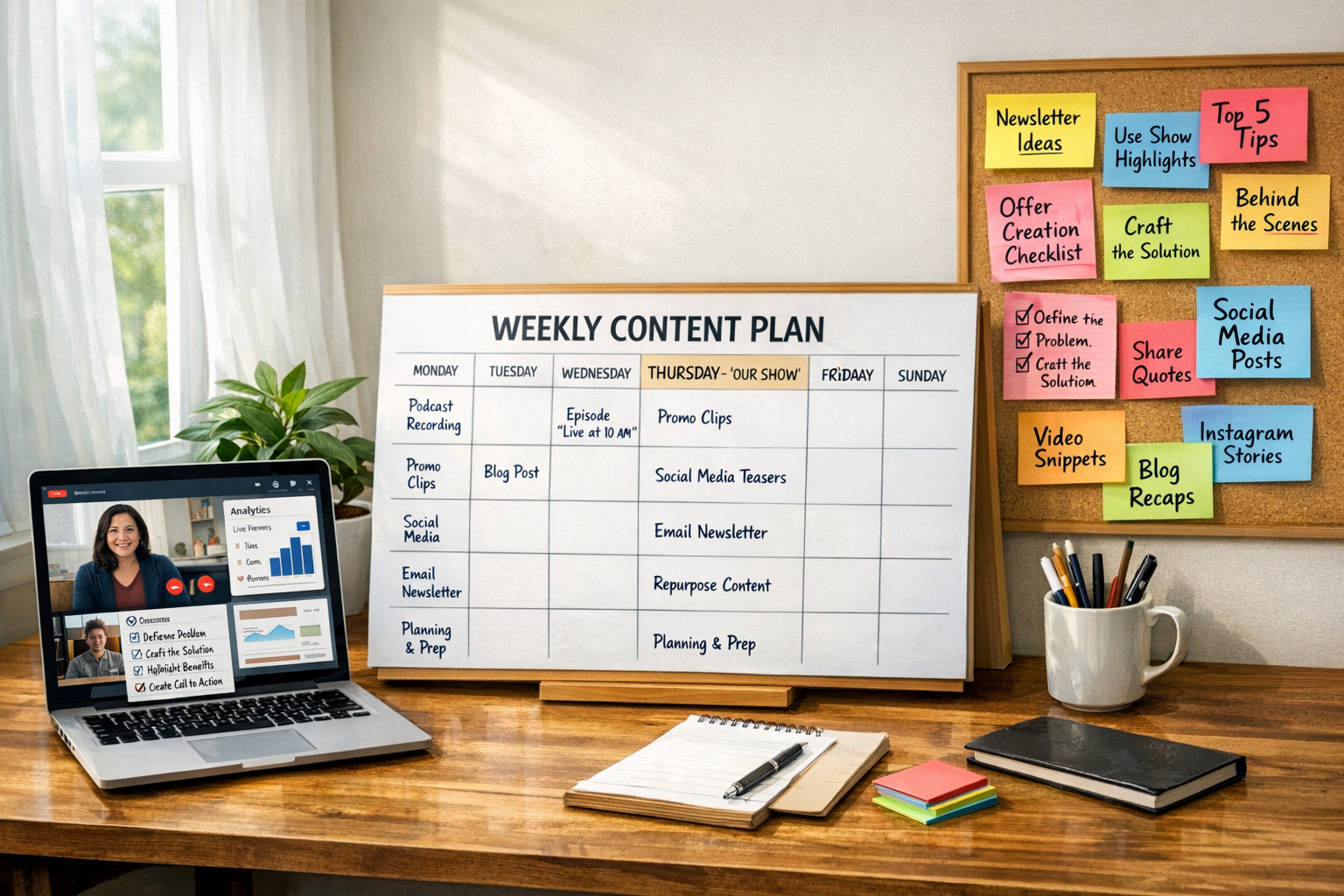
The fix isn’t posting more. It’s building everything around one thing: a consistent weekly live show.
The Weekly Show: Your Content Backbone
A weekly live session, whether that’s a Q&A, a tutorial, or a loose chat, gives your group something it probably doesn’t have right now: structure. It gives people a reason to stick around and gives you a plan you can actually keep up with. This isn’t just another content idea. It’s the thing everything else hangs off. And yes, it kills the daily “what should I post today?” spiral.
When you show up live every week, you set a rhythm. People learn what day it is, what they’re getting, and why it’s worth their time. That’s what most Facebook groups are missing. Instead, they’re full of posts that feel thrown together and easy to ignore.
Weekly lives also make selling simpler. You’re already talking through real problems in real time. So saying, “If you want help going deeper, here’s how we can work together,” doesn’t feel awkward. It feels obvious. No big launches, no cringe sales posts—just a straight line from free help to paid support.
What This Approach Does for Engagement and Sales
Here’s what this approach actually does for engagement and sales:
- Creates anticipation and a reason to tune in
- Shows your expertise by solving real problems, consistently
- Builds relationships through regular face-to-face time
- Creates a habit of showing up, which is where trust comes from
- Makes selling feel like a next step, not a pitch
- Gives you content you can reuse everywhere else
It also sorts your repurposing problem. One live turns into emails, short clips, quote posts, and standalone tips. All saying the same thing, just in different formats. No more Frankenstein content.
Instead of scrambling to fill a content calendar with random posts, everything comes from your weekly show. For coaches and service providers who want Facebook group content ideas that actually convert, this works because it’s focused.
Creating Offers in Your Facebook Group
If you’re wondering how to create offers in your Facebook group, this makes it obvious. Spend 30 minutes helping people with one specific issue, then offer a paid way to solve it properly. That’s not manipulation; it’s logic.
Yes, tools like ConvertKit or Descript can help with follow-up and repurposing. Useful, not essential. Consistency beats tools every time.
The Facebook group marketing strategies that work aren’t clever or complicated. They’re simple:
- Show up regularly.
- Be useful.
- Let people see your brain at work.
- Make it easy to take the next step.
Stop overthinking every post. Stop turning your group into a dumping ground. Build everything around your weekly show and notice how much calmer, cleaner, and more effective your whole strategy becomes.
Sources:
“Organic Reach Benchmark Report” (Socialinsider, 2026)