

You’ve pasted a 3,000-word transcript into ChatGPT, added a paragraph about your audience, and hit send — trusting that one-shot AI prompts will finally get you something that doesn’t sound like it came from a LinkedIn algorithm from 2019. What arrives is fine. Grammatically sound. Keyword-optimised. And completely, unmistakably beige.
Here’s what I reckon you’re missing: one-shot AI prompts aren’t failing because you need better instructions or longer context. They’re failing because you’re asking one prompt to do two entirely separate jobs at the same time. You’re asking it to structure your thinking and write compelling copy in a single pass. Those aren’t complementary tasks. They fight each other, and when they do, you get generic slop.
This article walks you through exactly why that happens, what’s actually going on inside the AI when you ask for everything at once, and most importantly, why separating the work isn’t about being precious or inefficient. It’s about respecting what the tool can actually do well.
TL;DR for the Impatient Nugget Seekers
- One-shot prompts ask AI to architect and write simultaneously. These are two completely different cognitive tasks with conflicting constraints. When they collide, the AI defaults to safe mediocrity.
- Your longer, more detailed prompts aren’t actually fixing the problem. You’re just adding noise to both jobs instead of separating them. More detail doesn’t divide the work; it just makes both asks louder.
- The generic output isn’t a prompt design issue, it’s a task design issue. When the AI’s juggling incompatible objectives, it resolves the conflict by choosing blandness. That’s not laziness; it’s maths.
- Structure and voice demand completely different mental modes. Structure needs clarity and logic. Voice needs rhythm and personality. You can’t ask one prompt to nail both without sacrificing one.
- The fix is stupidly simple: separate them. One prompt to extract and structure. One prompt to write it. Each one gets a single clear objective, and suddenly you’ve got output that sounds like thinking instead of a template.
Right, let’s dig in.
Why One-shot AI Prompts Can’t Do Two Jobs At Once
You’ve probably done this. You paste a 3,000-word transcript into ChatGPT, add a paragraph about your target audience, hit send, and wait for magic. What comes back is fine. It’s grammatically sound. It hits your keyword. And it reads like it was written by a committee of LinkedIn algorithm consultants in 2019.
The problem isn’t the tool. It’s not your prompt length either. I think most people miss this completely: you’re asking one-shot AI prompts to do two entirely separate cognitive tasks at once.
Task One: Structure Versus Task Two: Voice
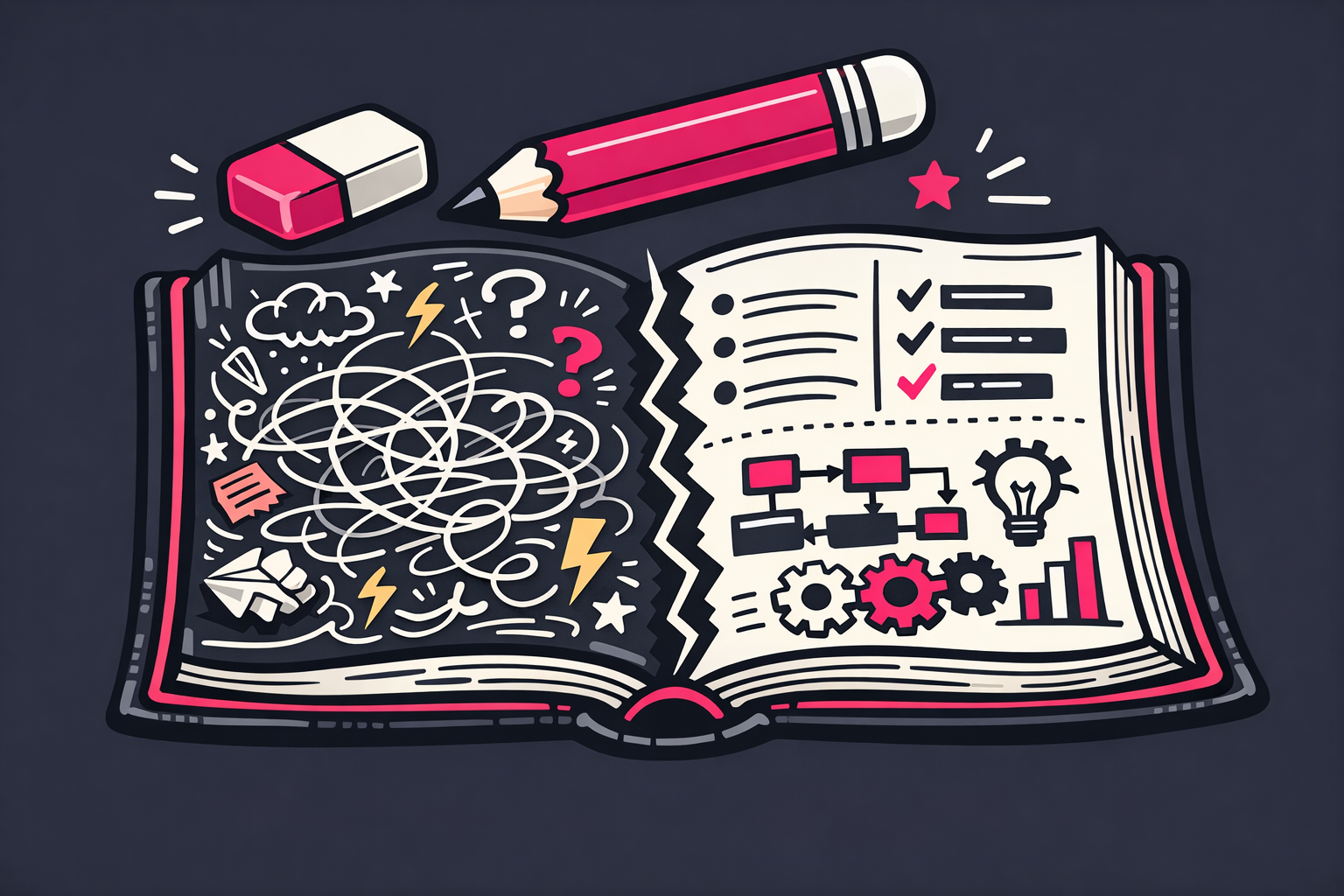
When you dump everything into a single prompt, you’re asking the AI to both architect your thinking and write compelling copy simultaneously. Those aren’t the same job.
Structuring means deciding argument flow, which points land first, where you plant proof, how sections connect. Writing means bringing specificity, personality, and language that makes someone actually want to read what comes next. They require different energy. Different constraints. Different decision trees.
When ChatGPT tries to do both in one pass, it defaults to the safe middle ground. Generic connective tissue. Predictable vocabulary. The beige we all recognise.
Why Your Longer Prompts Still Feel Hollow
You’ve probably already tried the obvious fix: longer prompts. More detail. Specific instructions about tone. Different tools. And you got slightly better output. Not fundamentally different, though.
That’s because you’re still stacking the tasks. Adding more detail to a dual-job prompt doesn’t separate the jobs; it just adds noise to both of them. The AI’s still trying to architect and write in parallel, which means it’s still compromising on both.
I see this constantly with people who get decent results from ChatGPT sometimes and terrible results other times. They think it’s random. It’s not. The difference usually comes down to how many simultaneous asks are buried in that prompt.
The Structural Skeleton Problem
Here’s what actually happens inside that one-shot prompt: the AI has to decide your argument structure while also finding the words to express it. Those decisions interfere with each other. Good structure might need a word that sounds weird. The good word might push structure in a mediocre direction. So the AI splits the difference and you get functional mediocrity.
Your transcript probably already contains the skeleton — your audience is clear, your angle is there. But asking one prompt to extract the logic AND make it sing is asking too much in one cognitive pass. The tool isn’t broken. The task design is.
This is why people who use one-shot AI prompts and people who separate the work into distinct steps end up with completely different output quality. Same tool. Entirely different results.

What Happens Inside the AI When You Ask For Everything At Once
Here’s what I’ve noticed: when you dump a transcript and a 500-word brief into one prompt, you’re essentially asking the AI to solve two problems simultaneously. It needs to figure out your information architecture while also writing persuasive copy. These aren’t complementary tasks. They fight each other.
The AI’s optimisation layer kicks in and does what any system does when asked to juggle competing priorities: it defaults to the safest middle ground. Generic structure, safe language, broad statements that offend nobody and excite nobody. You get LinkedIn energy because that’s the lowest-risk output.
What a one-shot prompt actually asks of AI
Think about a typical one-shot prompt. Something like: “Turn this 45-minute transcript into a punchy 800-word blog section with a strong hook, clear subheadings, compelling examples, and a strong CTA. Make it engaging but authoritative. Here’s the transcript: [entire transcript].”
What’s actually happening inside that request? The AI is parsing your transcript and simultaneously deciding how many subheadings to use, what tone to strike, which examples matter, and how to pace the narrative. It’s making architectural decisions while drafting prose. That’s cognitively expensive, even for AI. So it simplifies. It picks a middle-ground structure (intro paragraph, two subheadings, conclusion with CTA), softens language to accommodate multiple potential readers, and makes your specific insight broader so it applies to “everyone.”
The bloat isn’t in the length. It’s in the vagueness. You asked for engagement, so it adds adjectives. You asked for authority, so it hedges with phrases like “it’s important to note” and “many experts suggest.” You asked for a CTA, so it throws in a generic one. The output is longer and blander simultaneously.
I think the solution is almost obvious once you see it: separate the jobs. Let the AI architect first. Then let it write.
When I structure a transcript before I touch copy, the AI understands the skeleton and can focus entirely on voice, specificity, and punch. It’s not dividing its optimisation effort. It’s solving one problem at a time, which means it can actually solve it well. The result doesn’t read like a template. It reads like thinking.
This is why one-shot AI prompts produce generic content. Not because the AI isn’t capable. But because you’re asking it to prioritise two incompatible objectives in a single pass. The model resolves that conflict by choosing blandness. It’s the path of least resistance.

Generic Output Isn’t A Prompt Problem, It’s A Task Design Problem
Here’s what I see happen most of the time: you dump a transcript or raw notes into ChatGPT with one sprawling prompt that asks the AI to extract insights, structure them logically, add narrative flow, write compelling headlines, and make it sound like you. That’s not one job. That’s five jobs stacked on top of each other, and the AI doesn’t have a clear priority order for resolving the conflicts between them.
When you ask one-shot AI prompts to do too much at once, the model defaults to what’s safest. It reaches for middle-ground language, flattens unique angles into conventional wisdom, and sounds like every other AI output because it’s unconsciously trading specificity for coherence. The tool isn’t being lazy. It’s doing exactly what you asked: juggling incompatible tasks with no hierarchy.
The Two Jobs Problem
Most people think the issue is they need better instructions or longer examples. They add more detail to their prompts, try different tools, and spend hours tweaking. But I think they’re solving the wrong problem.
The real divide is between structuring your thinking and writing your voice. Those demand completely different mental modes. Structuring is about clarity, logic, and hierarchy. Writing is about rhythm, specificity, and personality. Ask an AI to do both in one go and it will sacrifice one to manage the other. Usually it’s voice that loses.
When you split the work, everything changes. First job: extract and organise the raw material. Second job: write it. Each prompt has a single clear objective, and the AI can nail both because it’s not resolving competing priorities.
What This Means For Your Prompts
You don’t need a longer prompt. You need fewer things happening in each prompt.
I walk through the exact two-prompt method in How to Turn a Transcript Into a Lead Magnet PDF in 10 Minutes, but the principle is simple: separate thinking from writing. Let the AI structure first. Then let it write. Each one gets a dedicated prompt with zero distractions.
When you organise your work this way, the output stops sounding generic. It sounds like someone actually thought about it. Because someone did, and the AI helped with clear, focused tasks instead of an impossible all-in-one ask.
This is why better AI writing quality doesn’t come from longer instructions. It comes from respecting that how to write better AI prompts isn’t really about the prompts at all. It’s about respecting what the tool can actually do well.
The Permission to Separate What You’re Actually Asking For
Here’s the mindset shift that actually changes your output: stop asking one prompt to do two jobs.
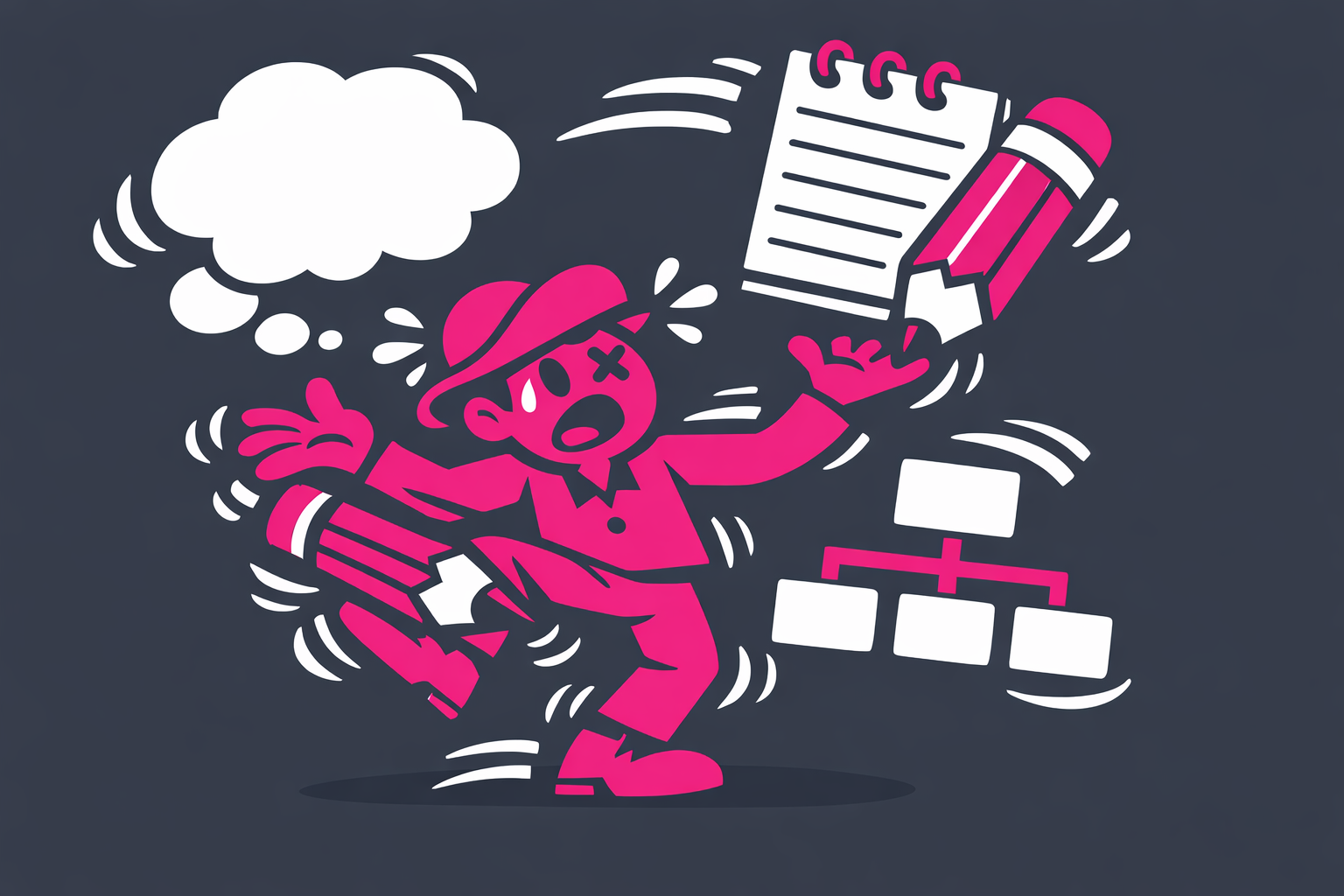
I see this constantly. Someone’s got a 40-minute transcript, they dump it into ChatGPT with a prompt that reads like a manifesto, asking it to extract key insights, structure it into a lead magnet, make it compelling, add subheadings, use storytelling, sound authentic, and make it shareable. Then they’re baffled when they get back something that sounds like every other corporate training module ever written.
The problem isn’t that your prompt wasn’t detailed enough. It’s that you asked AI to simultaneously architect your thinking and write like a human. Those are two entirely different cognitive tasks with completely different success measures, and when you mash them together, you get beige.
Separate the Structure Prompt From the Copy Prompt
Your structure prompt has one job: clarity. It should be direct, logical, and stripped of any flourish. Give it a transcript or a rambling voice memo, and ask it to find the actual argument buried in there. What’s the problem, the solution, and the transformation? What questions does this answer? You’re not asking for beautiful writing here. You’re asking for scaffolding. The output should read like a skeleton, because that’s what it is.
Only once you’ve got clean structure should the copy prompt come in. Now it’s got a different brief entirely. It knows what to write about. It just needs to write it like you, not like LinkedIn’s algorithm. This is where brand voice matters. This is where personality lives. But here’s the thing: the copy prompt is infinitely easier to nail because it’s not also wrestling with architecture.
Give Yourself Permission to Think Differently
Most people resist this two-prompt approach because it feels inefficient. Surely I can ask AI to do both things at once? Technically, yes. You’ll also get technically mediocre output every single time.
What I want you to see is that this isn’t about prompting better. It’s about designing the job differently. Structure is successful when it’s clear and logical. Copy is successful when it sounds like you. Those are not the same metric, and pretending they are is exactly why one-shot AI prompts always produce generic slop.
Your transcript deserves better than being filtered through a single prompt that can’t possibly honour both demands. Once you separate them, the work actually gets simpler, and the output gets significantly better.
If you want a ready-made framework for this, I’ve put together Build a Brand Voice Prompt That Makes AI Sound Like You to help you nail the copy phase, and Turn A Transcript Into a Beautiful Lead Magnet Using Claude AI walks you through the full two-prompt system in action. But honestly? The biggest shift is just giving yourself permission to stop treating one-shot prompts like they’re the professional standard. They never were.