

Understanding Mailchimp’s Pricing Model
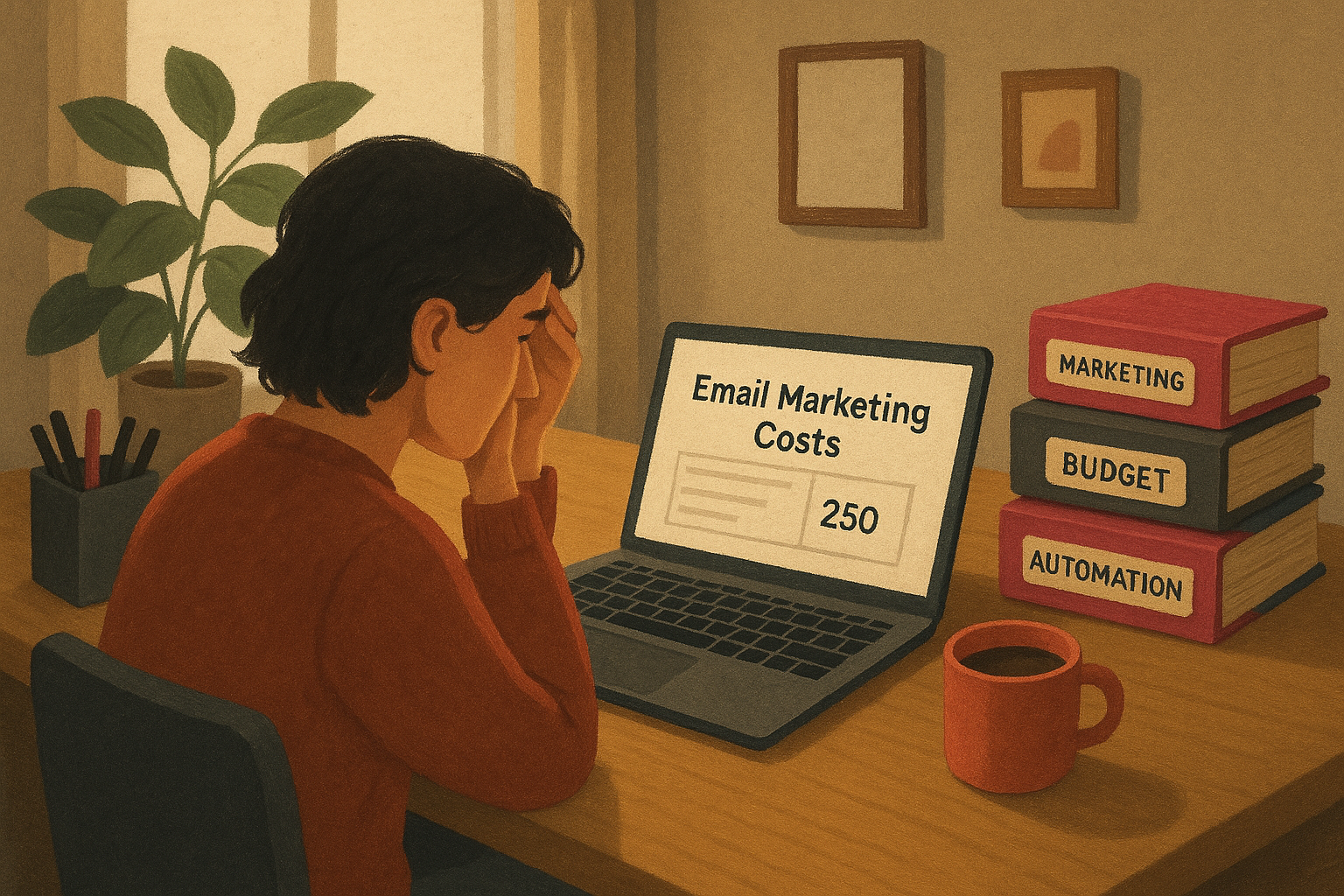
Ever opened that Mailchimp invoice and felt your stomach drop? I’ve been there. Suddenly, the pricing jumps by a percentage that makes no sense. If you’re nodding, join the club. As my subscriber list grows—which should be a cause for celebration—my email marketing costs can spiral out of control, leaving me grumbling about those “unsubscribes.”
The kicker? I often pay premium rates for subscribers who haven’t opened my emails in months. That’s the harsh truth of contact-based pricing. I end up covering the costs for everyone, engaged or not. But here’s the bright side: a budget-friendly alternative exists. Mailerlite gives me the features I need without the steep price tag that comes with Mailchimp’s growth tiers.
Why a Platform Switch Matters
In this article, I’ll walk through why Mailchimp’s pricing model could be hampering my business, what I’m paying for versus what I actually need, and how making a simple platform switch can save me hundreds—or even thousands—while still providing the email marketing power my business deserves.
Key Takeaways
- Mailchimp charges for every contact, meaning I pay premium prices for subscribers who might never engage.
- Many creators experience immediate savings of 40-65% by switching to Mailerlite while keeping essential features like automation, segmentation, and landing pages.
- Mailerlite includes important features like A/B testing, unlimited emails, and landing pages at lower pricing tiers, while Mailchimp holds many of these for higher-cost plans.
- Transitioning to a new platform usually takes just 1-3 days, thanks to migration tools that help transfer subscribers, tags, and automations effortlessly.
- The savings from switching can be reinvested into areas like hiring help or boosting my advertising budget.
It’s time to stop letting inflated email marketing costs chip away at my profit margins. My business deserves better.
The Real Cost of Mailchimp: When Your Email Tool Starts Eating Your Budget
Mailchimp is often the first email tool people grab because it looks familiar and “good enough”. The problem usually shows up later, when the bill quietly swells every time the list grows.
On the surface it feels fair. More subscribers, higher plan. But the way Mailchimp structures its pricing means the jumps rarely feel gentle or predictable. One month your list nudges past a threshold and suddenly your email tool is one of the biggest line items in your marketing budget.
For coaches and creators, that can turn list growth into a weird dilemma. You want more subscribers, but you don’t want every launch or lead magnet to come with a bigger monthly bill attached.
And it’s not just the people who love your emails that you’re paying for. With contact-based pricing you’re billed for almost everyone sitting in your account, including people who haven’t opened anything in months. The cost climbs even when your engagement doesn’t.
That’s the real sting with Mailchimp’s model. Your audience grows, your bill jumps, but the extra spend doesn’t always translate into extra results. At a certain point, it stops feeling like a tool that’s supporting growth and starts feeling like a drag on it.
The Catch with Contact-Based Pricing
Here’s the bit they don’t tell you when you start with Mailchimp: you’re not just paying to send emails. You’re paying to store every contact, even those who’ve ghosted your emails for ages.
This “contact-based” model means every new subscriber is a double-edged sword—a win and, yep, a financial strain.
It gets worse when you see what you’re actually shelling out for. Many savvy creators discover they’re paying a premium for:
- Subscribers who’ve ignored emails for over 6 months
- Duplicate contacts popping up in different segments
- People who signed up and never confirmed
- Test emails you send to yourself or your team
You might only be connecting with 25-40% of your list, yet you’re footing the bill for all of them.
Email Tools That Won’t Break the Bank
So here’s the silver lining: you don’t have to just swallow a growing email bill as the cost of doing business. Plenty of creators are moving to email platforms that scale more gently and don’t punish you for building your audience.
Mailerlite is a strong example of that shift. Its pricing structure is straightforward, the increases are predictable, and you’re not hit with sudden jumps just because your list nudged past an invisible threshold. It’s built to stay affordable as you grow, which is exactly what most coaches and creators need.
Something many people appreciate is how Mailerlite handles inactive subscribers. You’re not billed for unsubscribed or bounced contacts, and you can run regular clean-ups to keep your list lean without paying for dead weight.
Feature-wise, it covers what most creators rely on every week: automation, segmentation, landing pages, simple websites, and A/B testing. You’re not constantly asked to upgrade just to access the basics, which makes a big difference when you’re building a sustainable email system.
And the contrast with Mailchimp becomes obvious when you compare long-term scaling. With Mailchimp, costs can ramp up quickly as your list grows, especially because you’re paying based on total contacts, not engagement. Mailerlite’s growth curve is noticeably softer, which keeps your email marketing spend predictable and easier to budget.
Your email list should support your business model—not put pressure on it. Clear pricing and tools that actually work make it far easier to treat your list as an asset rather than a monthly worry.
If you’re curious what the difference might look like for your current subscriber count, try Mailerlite’s savings calculator. It’s usually pretty eye-opening, and it’s an easy way to see whether a switch could free up budget for the things that actually drive growth. Yours Rebelliously
When Mailchimp’s Pricing Starts Holding You Back
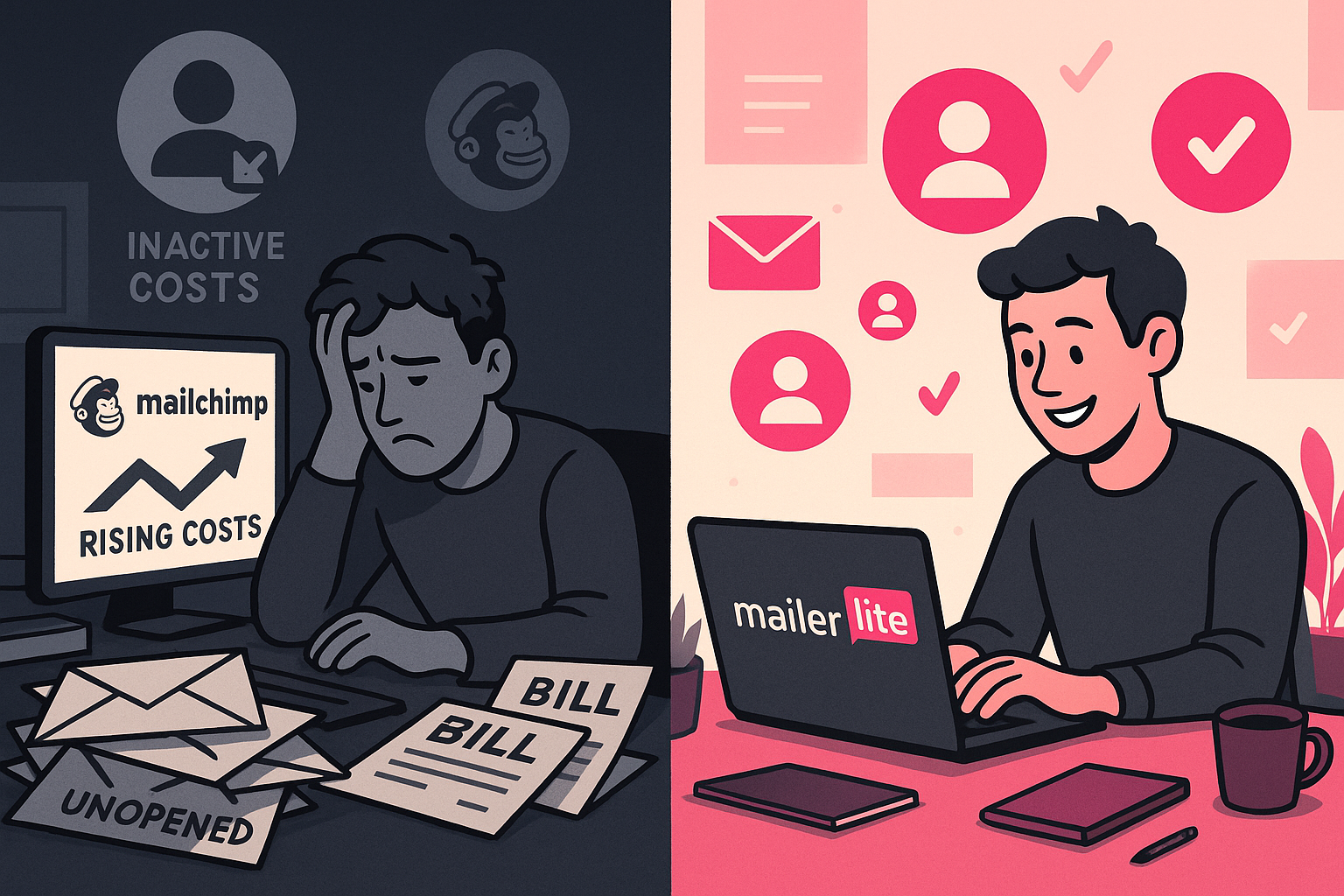
Let’s chat about the big issue here: Mailchimp’s pricing. It’s a popular starting point for many creators, but as your audience grows, those bills can stack up faster than the revenue does.
I’ve seen this happen to plenty of my clients. They reach the milestone of 10,000 subscribers, only to realise they’re paying top rates when just 30% of those subscribers actually open their emails.
The Contact-Based Pricing Problem
The snag with Mailchimp is straightforward: you’re paying for every contact, whether they’re engaging or not. A subscriber who’s been dormant in your list for 18 months? They’re still costing you every single month.
This creates a strange situation where building your list—something we all aim to do—can actually hit you in the pocket. Some clients end up paying for thousands of silent subscribers while only a small fraction is actively engaging.
The expenses can really add up. Mailchimp bases its pricing on your total list size, not on active contacts, which means your budget starts to feel the squeeze as you expand.
What really hits home is when your monthly fee jumps from about £40 to over £120 right when your growth deserves celebrating. It becomes less of an expense and more of a roadblock.
The Feature Upgrade Hurdle
Another thorn in the side is how essential features remain out of reach unless you pay up to a higher tier. Fancy some advanced segmentation? Pay up. Want more than basic automation? Pay up again.
This means you’re often paying for top-tier plans long before your business can truly justify the cost. Like when someone needed just one feature that bumped them from a £60 tier to £240 overnight—now that’s backwards.
We all know that engaged subscribers are worth more, but Mailchimp doesn’t care—you pay for every inactive one too.
Finding Freedom from Pricing Pain
What many creators don’t realise is that there are alternatives with a different mindset. Mailerlite, for instance, offers a pricing model that’s far more considerate of creators, focusing on those who are genuinely engaging while remaining feature-rich even at lower tiers.
Look at Mailerlite compared to Mailchimp, and it’s clear: one grows with your engagement, while the other fixates on headcount—regardless of whether it contributes to your income or not.
What truly works for keeping email costs in check is regularly tidying up your list (say goodbye to the unengaged) and selecting a platform that only charges for active subscribers. This approach can save creators thousands over time.
Your tool should grow alongside you, not hold you back. It should celebrate your audience growth without giving your wallet a hard time.
So if you’re feeling the pinch from rising Mailchimp costs without seeing the profits rise too, perhaps it’s time to explore what Mailerlite can offer. It might be just what your business needs to thrive, concentrating on what truly counts—adding value to your audience.
An email platform should be your ally. If it’s starting to stunt your growth, it’s time for a rethink.
The Features You Actually Need vs. What You’re Paying For
Let’s dive into a topic no one loves — Mailchimp pricing. Are you really getting your money’s worth? I’ve seen too many folks splashing out on flashy extras while missing the crucial tools that could genuinely turn things around.
The way these email platforms stack their pricing can feel like playing feature Tetris. Basics are at the bottom, and useful stuff is way up top. But let’s focus on what really counts for your email marketing funnel.
Essential Features That Shouldn’t Cost Extra
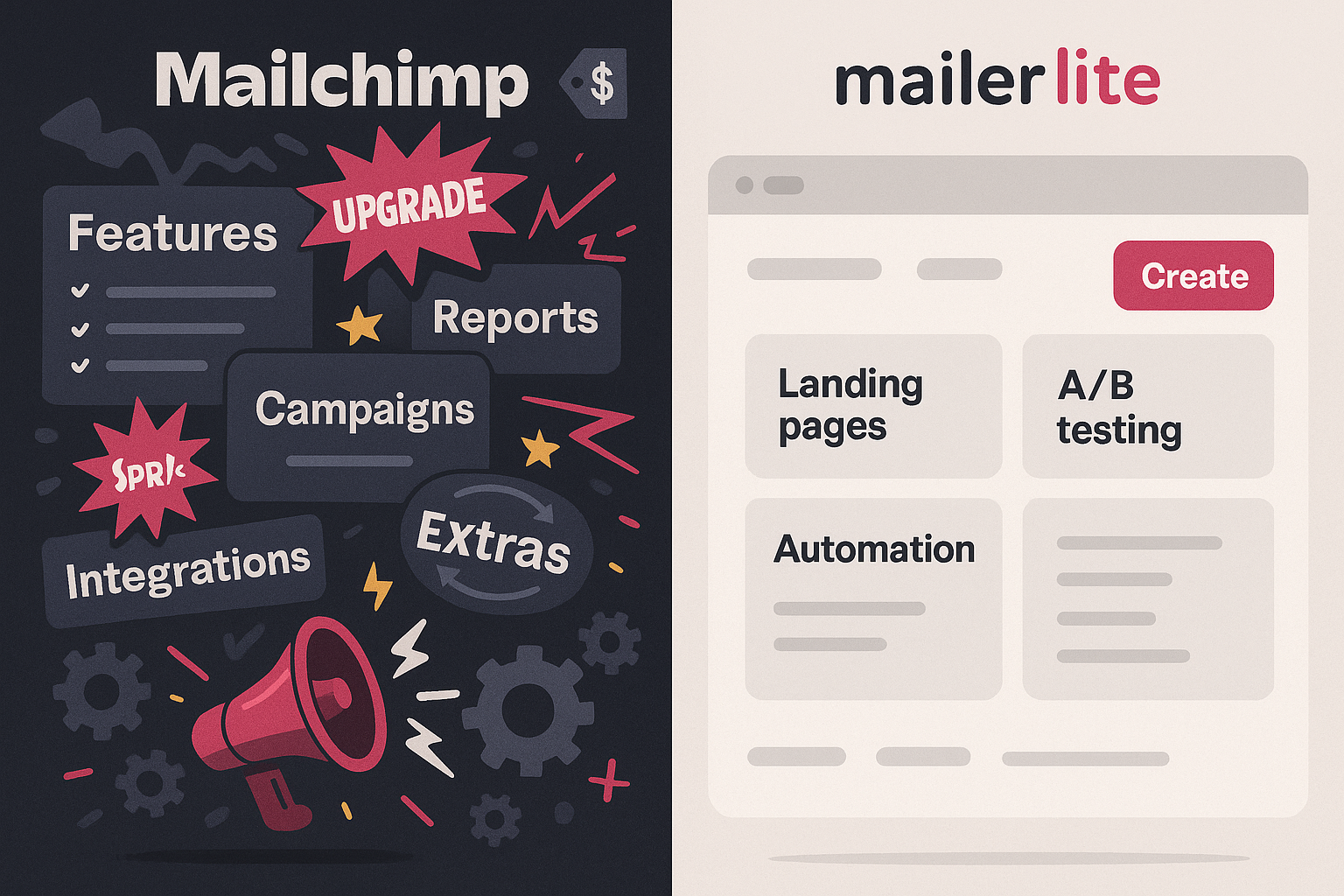
Landing pages and forms? These aren’t optional extras — they’re absolutely essential. Yet loads of platforms charge as if they’re premium upgrades. Ask yourself, why pay extra for tools that are basic steps in lead collection?
Lead capture should be standard from the get-go. No growth happens without it, so why all the paywalls?
Then there’s A/B testing. Tweaking subject lines and send times can massively boost your open rates, but it’s often tucked away in pricey plans.
I helped a client switch to Mailerlite, and with A/B testing on their basic plan, conversions jumped 18% in the first month. It’s a wasted opportunity when platforms lock away these vital testing features.
Automation is key to a working funnel. Setting up “if this, then that” workflows shouldn’t be a luxury. Yet, Mailchimp keeps many of these basics for upper tiers.
And let’s talk segmentation. Tagging subscribers clearly is what separates amateurs from the pros, yet meaningful options are often hidden away.
Here are the must-haves for your email budget:
- Landing pages and forms that actually convert
- A/B testing to keep everything improving
- Automation that goes beyond basic autoresponders
- Segmentation to target by behaviour
- Deliverability reports to ensure your emails don’t get lost
Mailerlite offers these essentials at lower prices. They understand — these aren’t extras; they’re necessary.
Premium Features That Actually Justify Higher Prices
Not all extras are just fluff. Predictive analytics can really sharpen your email marketing strategy. AI recommendations that adapt can significantly hike up conversions.
Advanced automation, with branching based on customer actions, is worth a bit extra. It makes your interactions feel human, not mechanical.
When picking email tools, focus on what drives real results. Will a snazzy template designer make the same impact as solid deliverability and automation? Probably not.
The Mailerlite vs Mailchimp debate often circles back to this: are you paying for bells and whistles, or tangible business results? Sure, Mailchimp has a long list of features, but Mailerlite delivers what truly matters, often at a fraction of the cost.
Your email platform should be an ally, not a chain. When checking Mailchimp’s pricing against others, look at what directly boosts your funnel’s performance.
Tired of overpaying for things you don’t need? Have a look at Mailerlite. Their approach to email marketing might just power your funnel without draining your budget. They keep things smart, simple, and affordable.
Mailerlite vs Mailchimp: A Cost Chit-Chat for Growing Creators
When I kicked off my coaching business, Mailchimp’s pricing seemed alright — until my subscriber list hit 2,500. Then came the eye-watering bill. Turns out, many creators discover the hard way: not every email marketing tool grows with you price-wise.
Let’s look at the real figures. For 5,000 subscribers, Mailchimp asks for £159/month on their Standard plan. Mailerlite? A neat £99/month for the same crowd. That’s a 37.2% saving, adding up to £700 a year. Handy for your budget, right?
But it’s not just about saving a few quid—it’s about the value you get for your money.
What Are You Really Paying For?
Mailchimp’s pricing feels more suited to big companies than to independent creators. Basic features? Solid. But costs shoot up as you expand.
With Mailerlite, you’ll enjoy unlimited emails across all tiers—Mailchimp reserves this for their top tiers. If you’re launching courses often, that alone might prompt a switch.
Mailerlite also includes unlimited landing pages and websites at their base level. In contrast, Mailchimp charges extra for these essential components, adding costs that aren’t initially advertised.
Automation? Similar story. Both platforms have workflows, but Mailerlite offers advanced segmentation and targeting at lower prices. If you need to send tailored sequences based on webinar views, Mailerlite’s got you covered, without needing to upsell your plan.
For creators selling digital products via email, Mailerlite makes increasing sense:
- A/B testing is available on all Mailerlite plans (Mailchimp limits this to higher tiers).
- Survey features are included with Mailerlite (it’s an add-on with Mailchimp).
- Mailerlite’s website builder is practical for simple sites (Mailchimp’s feels tacked on).
What’s great about Mailerlite is how they grow with you. Their rates increase gradually based on your subscriber count—no nasty jumps or paywalls when you hit certain thresholds.
Consistency here is key, especially for creators on a budget. Knowing what you’ll pay as you grow by another 1,000 subscribers is incredibly helpful.
For coaches, Mailerlite’s pricing understands that subscriber growth often comes in bursts during launches. The platform doesn’t penalise success like Mailchimp’s stepped pricing can.
Course creators benefit from Mailerlite’s bundled features that cost more elsewhere: delivery automation, subscriber tagging, and conversion tracking—all included in basic plans. These tools help pinpoint which emails effectively sell courses, not just get opened.
I’ve witnessed many creators start with Mailchimp based on its reputation, only to switch to Mailerlite as they expand. The savings? Used for other essential tools.
Want to stop splurging on basic email marketing? Mailerlite offers a free plan for up to 1,000 subscribers, so you can experiment with no strings attached. Their transparent pricing ensures no surprises as you scale.
Your marketing budget is valuable. Why let inflated email costs eat into it? Give Mailerlite a whirl and let those savings fuel your next big venture.

Making the Switch: Should You Move Your Email Marketing to Cut Costs?
Staring at that Mailchimp bill and thinking it’s time for a change? You’re not alone. Email marketing consumes a significant chunk of the budget, especially as your subscriber list grows. But is it worth the hassle of switching platforms just to save a bit of cash?
You might be surprised. I jumped ship last year and pocketed over £1,200. That’s more courses in the making right there. But there’s more to consider than just the monthly fees.
Staying Put vs. Making the Move
Let’s keep it real about switching. Moving your email marketing system isn’t a quick flip of a switch. You’ll spend time migrating subscribers, setting up automations, and tweaking templates to fit your style.
The switch usually takes a solid 1-3 days of focused effort. And yes, a new interface comes with its own little learning curve.
But here’s the kicker: sticking with an expensive plan often costs more in the long run. If you’re tossing away an extra £50-100 each month, that’s up to £1,200 a year from your budget.
Think about what you could do with that! Hire a VA, invest in better analytics tools, or boost your ads. Many are stuck paying for features they barely use, especially on those high-end plans.
No Pain, No Gain? Not Quite.
Switching is easier these days. Platforms like Mailerlite have tools to smoothly transfer everything from Mailchimp without a hitch.
Here’s the usual drill:
- Export subscriber lists with tags and segments
- Move email templates (or redo the essentials)
- Set up key automations and sequences
- Test it all before launching your sign-up forms
Mailerlite’s migration assistant does most of the heavy lifting, keeping your data intact. Their support team can even assist, so nothing slips through the cracks.
More Than Just Savings
While saving might push you to compare Mailchimp alternatives, there’s often more to gain. Improved deliverability can be a pleasant surprise. Affordable tools frequently outshine pricier options in avoiding spam folders. Mailerlite, for example, boasts a solid 98.5% deliverability rate and costs about half that of Mailchimp.
Simpler interfaces are a breath of fresh air too. Many budget-friendly options focus on what you use daily, not on unnecessary frills.
The essentials that boost results — automation, segmentation, analytics — are standard in most platforms now, so you’re not losing out by opting for a more affordable choice.
And the savings? One coach funnelled £840 she saved into Facebook ads, gaining 412 new subscribers. Another hired a content writer, bumping open rates by 22%.
When you compare Mailerlite to Mailchimp, creators typically find similar features, but with a gentler impact on their budget.
Thinking a switch might be your best move? Try Mailerlite’s free plan to explore the platform. Like many, you might discover that the switch is quick, with lasting benefits.
Sources:
“Creator Economy Growth Projections” (Goldman Sachs Research, 2025)